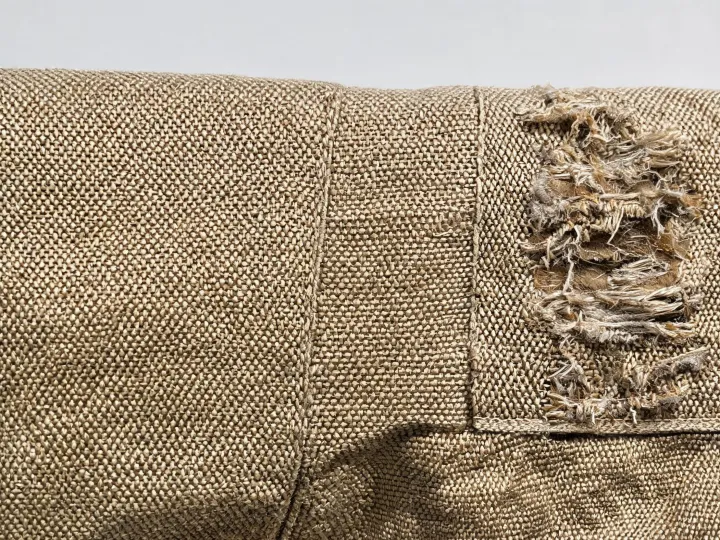
Stretch Wovens
Balance mobility, recovery, tear behavior, air permeability and surface abrasion for trousers, climbing garments and active workwear.
Review material route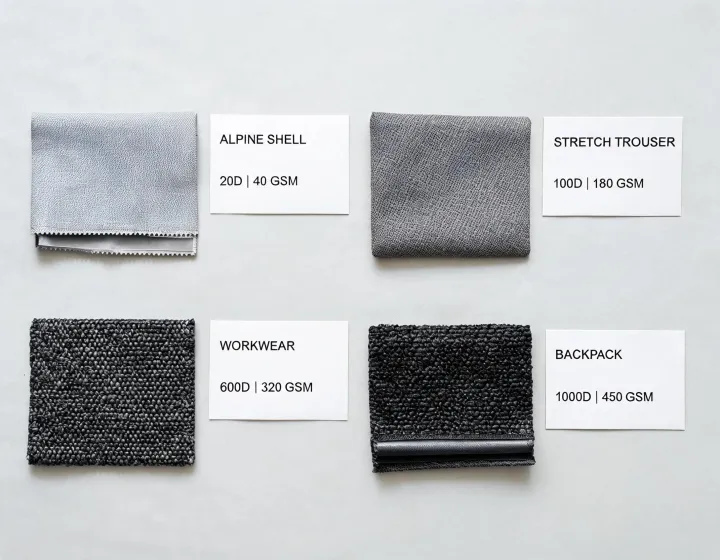
Outdoor and performance fabrics
Start with movement, climate, abrasion, moisture transfer and care. Then define fiber, construction, GSM, usable width, finish and the method that should verify the critical requirement.
Balance mobility, recovery, tear behavior, air permeability and surface abrasion for trousers, climbing garments and active workwear.
Review material route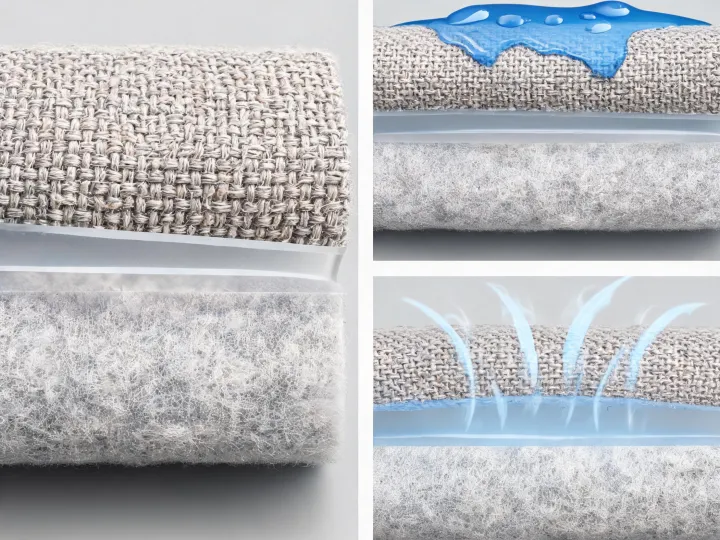
Define face construction, laminate or coating, hydrostatic-head method, moisture vapor method, seam strategy and care conditions.
Review material route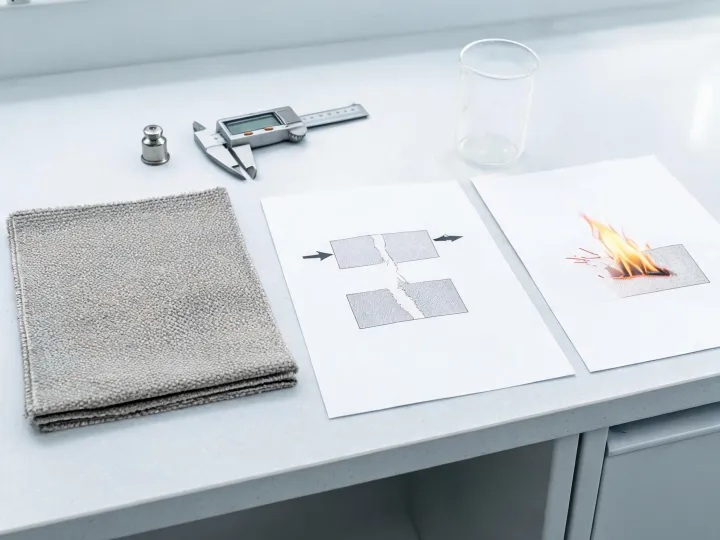
Connect tensile, tear, abrasion, flame, static or visibility requirements to the applicable garment, market and complete-system boundary.
Review material routeTwo-column selection questions
A broad word such as breathable, waterproof or durable can point to several different failure modes and procedures.
Hydrostatic head describes the tested specimen. Seams, closures, patterning and wear affect the finished product.
MVTR procedures use different environments and calculations. Record the method before comparing values.
No. The named method supports comparison under stated conditions, while use, dirt, geometry and care change service behavior.
A lab dip or strike-off guides development. Production-lot shade and construction still require their own disposition.
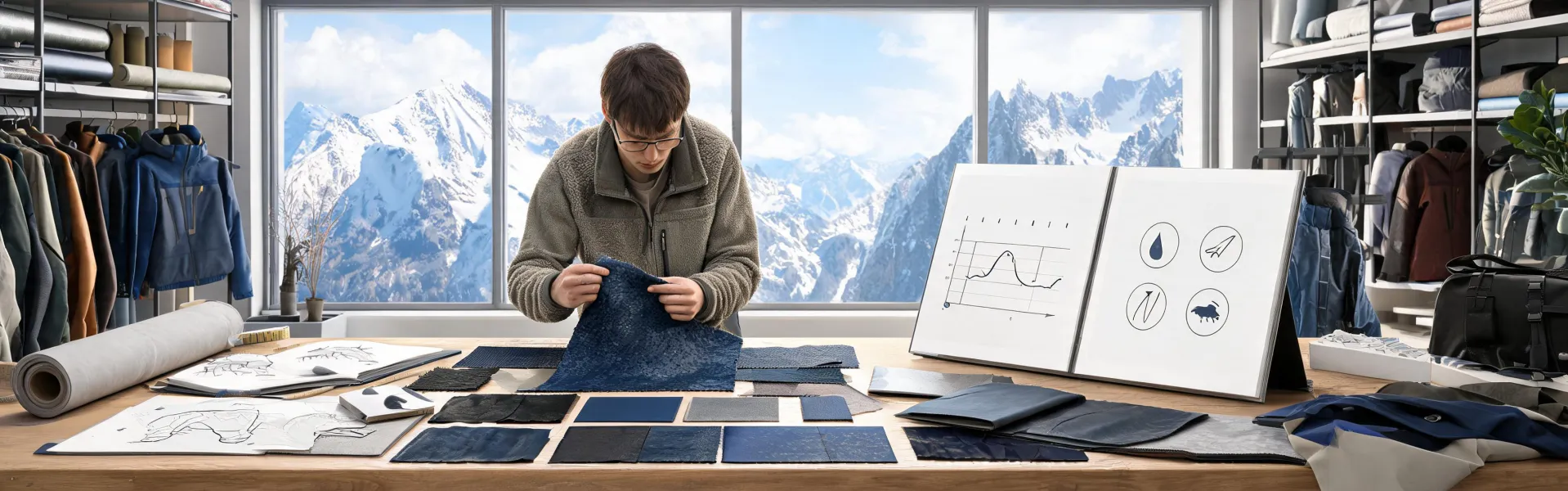
We will help separate tactile preferences, construction choices, verification methods and order records. A useful brief also identifies the intended sample stage, target quantity, destination market and the date by which the next material decision must be made.