Schoeller textile development studio

Material work in context

About Schoeller Application Guidance

A friendly selection process keeps user movement, climate, construction and evidence connected without replacing physical trials or buyer approval.

Mission: make the brief testable

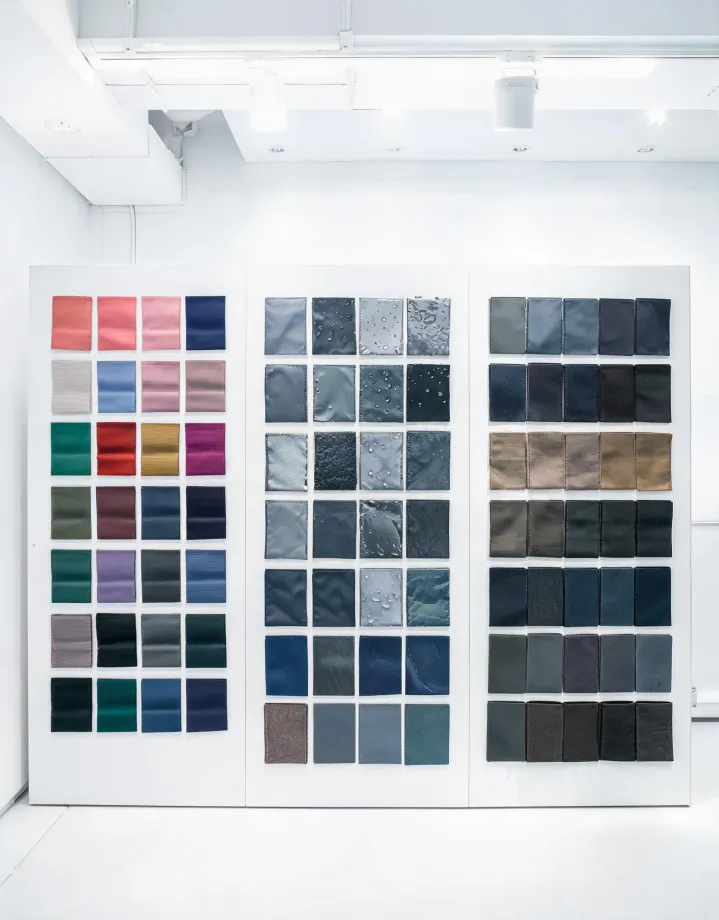
Broad language becomes a list of decisions: activity, climate, layer, fiber, construction, GSM, width, stretch, finish, care and critical method. A value shown for one color or laminate does not silently transfer to another.

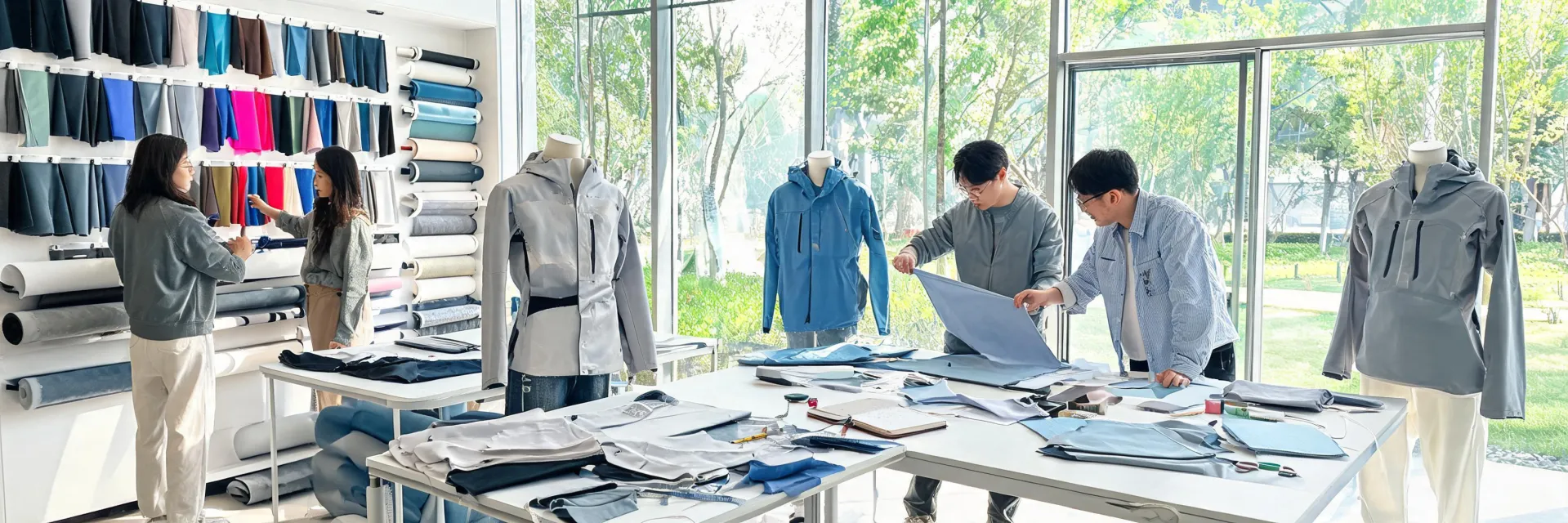
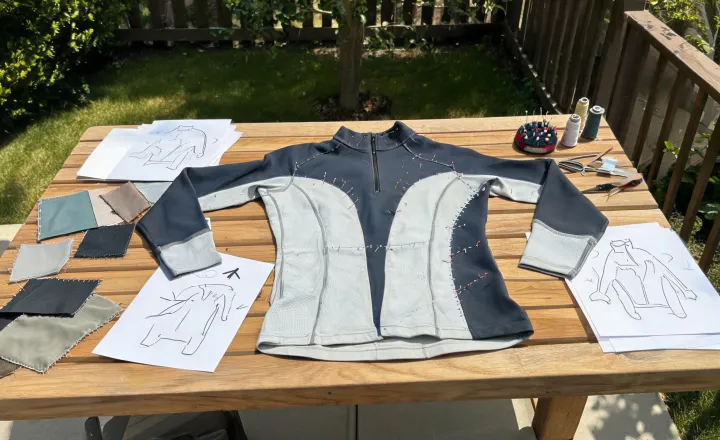
Handfeel and mobility remain part of the review. Instrument data cannot replace a garment trial where seam placement, pattern, fit and body movement affect the experience.
Vision: evidence that travels with the article

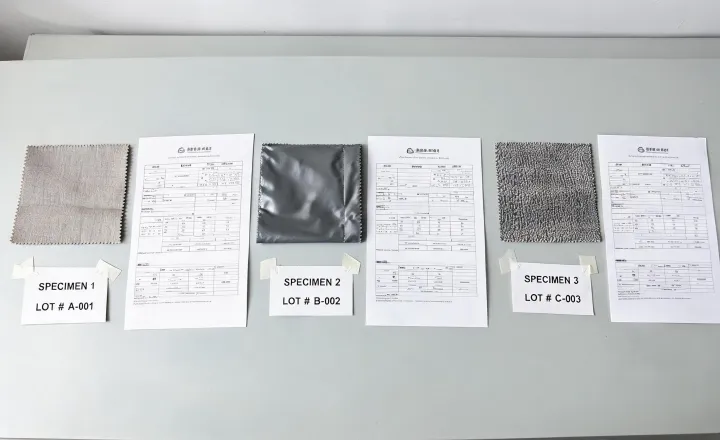
The approved sample, production lot, test report and change record should identify the same material construction. Where a claim applies only to a component, the finished-garment boundary remains explicit.

Compliance documents are checked for issuer, entity, product, factory where relevant, date and validity. Availability is confirmed rather than inferred from a scheme name.

Four habits in the studio

A

Move before deciding

Evaluate stretch, recovery, friction and drape on the intended pattern and layer.

B

Name the climate

Heat, moisture, wind, precipitation and drying shape the relevant material route.

C

State the method

Procedure, specimen, endpoint and unit remain attached to each technical result.

D

Record the change

Color, backing, finish, lamination or production-route changes trigger relevance review.

Bring the movement and climate into the fabric conversation.

Share the garment layer, critical zones, target construction, methods and open commercial constraints.