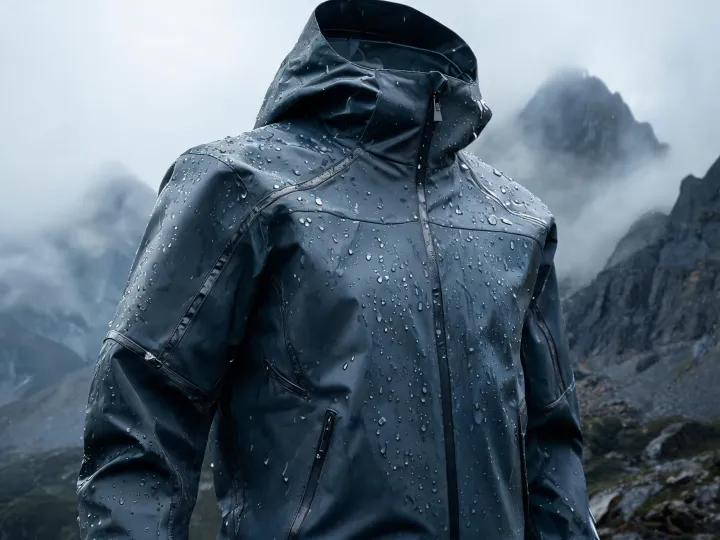
Alpine Shells
Hydrostatic head, moisture transfer, air permeability, flexing and seam design must be considered together. Fabric data alone does not establish a waterproof garment.
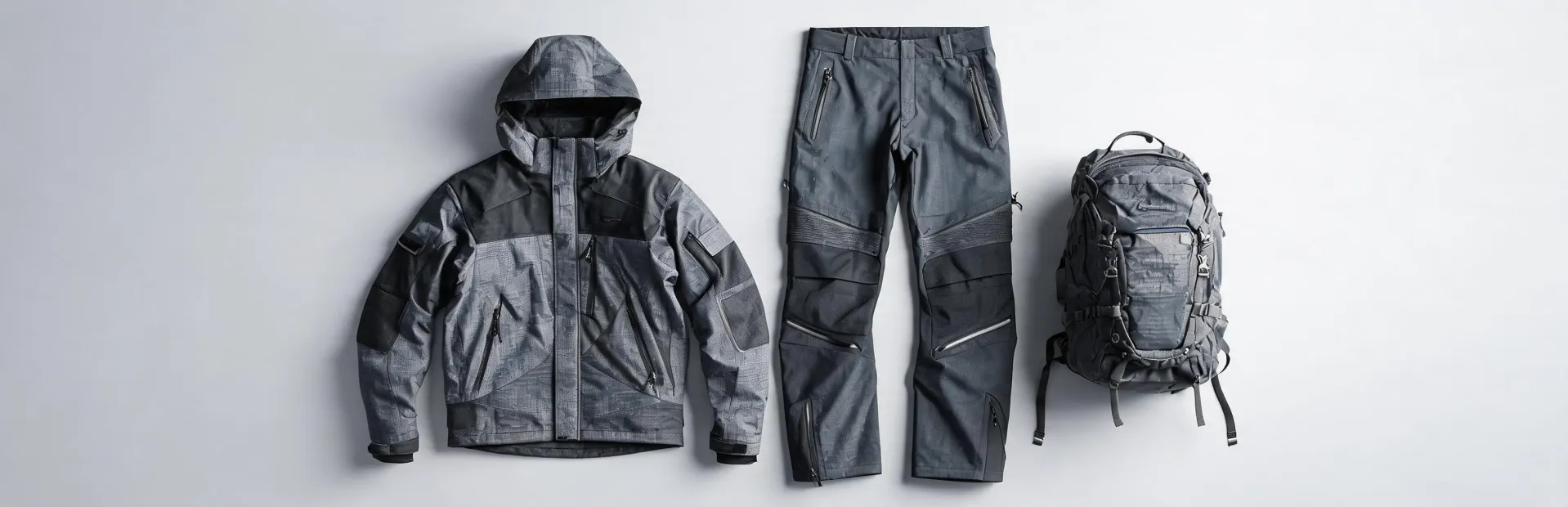
End-use conditions first
The right construction changes with movement, climate, contact, care, garment design and applicable market requirements.
Hydrostatic head, moisture transfer, air permeability, flexing and seam design must be considered together. Fabric data alone does not establish a waterproof garment.
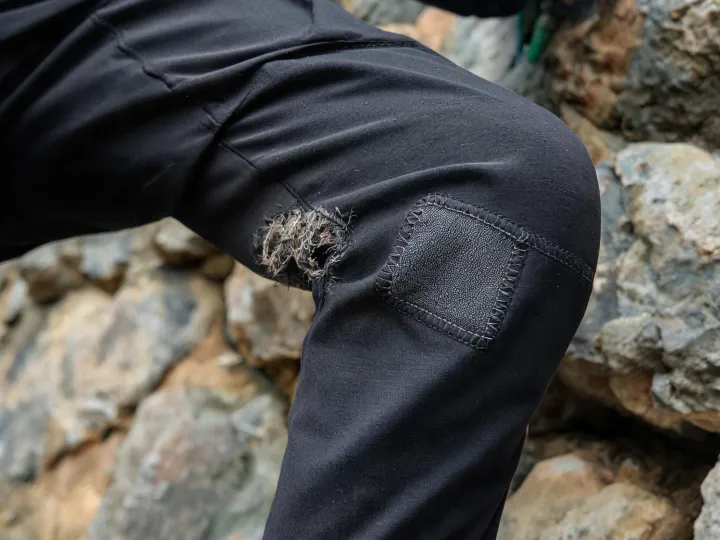
Stretch direction, recovery, abrasion, tear, handfeel and pattern geometry shape mobility. Lab cycles do not predict a universal service life.
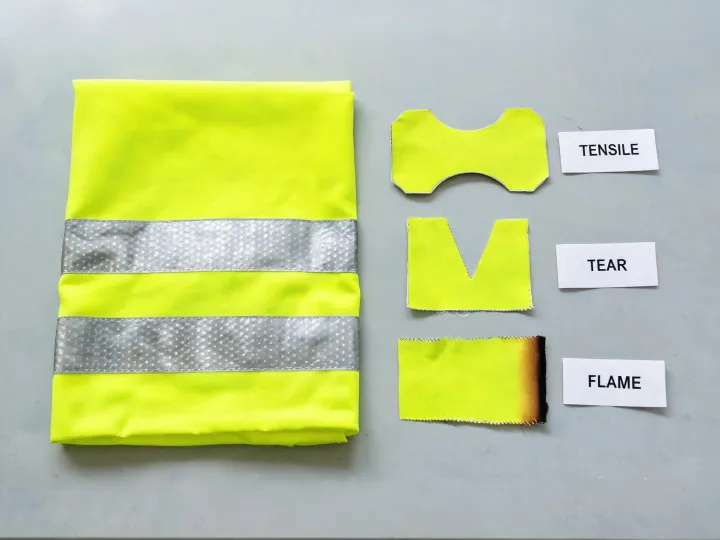
Hazard, garment layer, care history and governing method determine the textile brief. Component results do not qualify complete PPE.
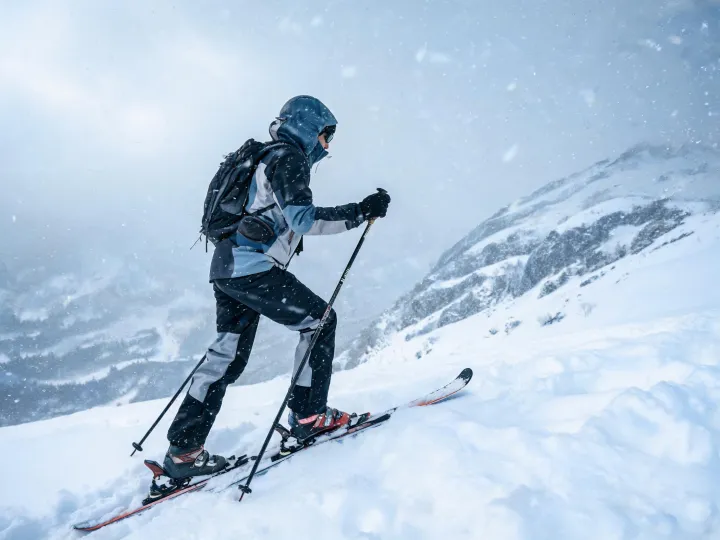
Wind, snow, sweat, cold, drying and repeated flexing create different priorities across shell, insulation and reinforcement zones.
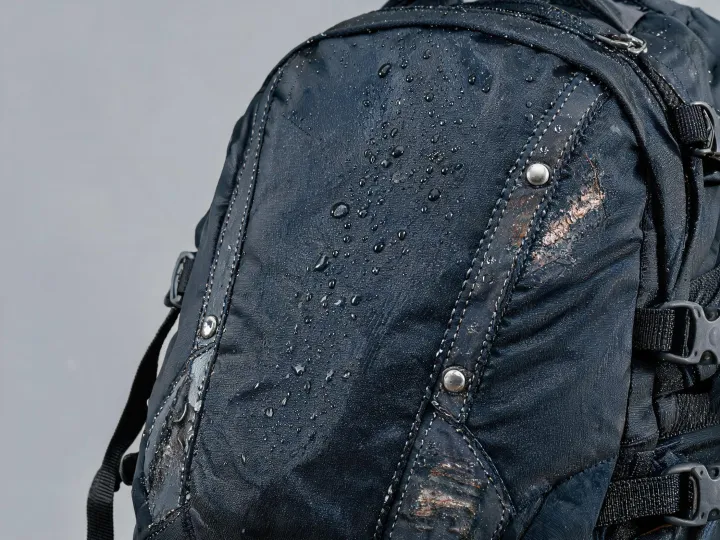
Coating or lamination, tear direction, abrasion, flex, hardware interaction and repair route belong in the selection plan.
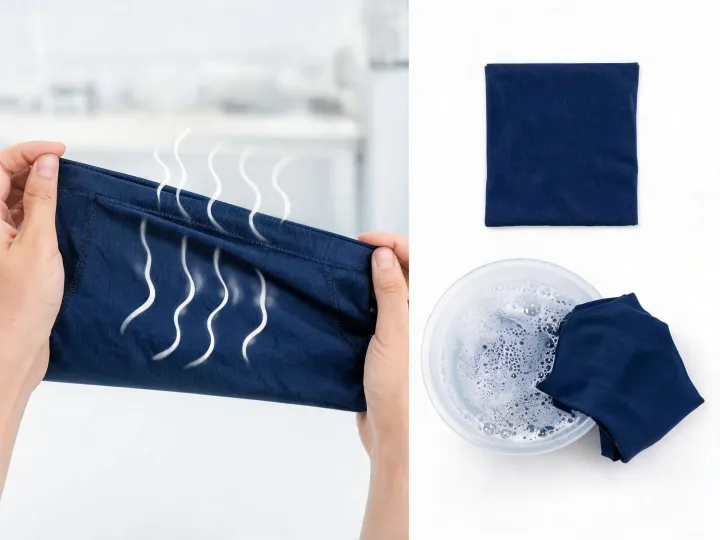
Mobility, appearance retention, cleaning frequency, colorfastness and dimensional stability are balanced against budget and replacement access.
These are specification lenses, not corporate statistics or performance guarantees. Each project confirms its own thresholds. The selected textile is then checked in the intended assembly because stitching, seam tape, hardware, insulation, pattern geometry and repeated laundering can change behavior that a component report does not cover.
Send the movement, climate, garment layer, care cycle, critical method and target sample stage. Include any assembly, backing or color change that could limit earlier evidence. For regulated or protective uses, identify the governing market and complete-garment standard; the material shortlist is only one input to the required system assessment. Final suitability remains subject to buyer review and testing.